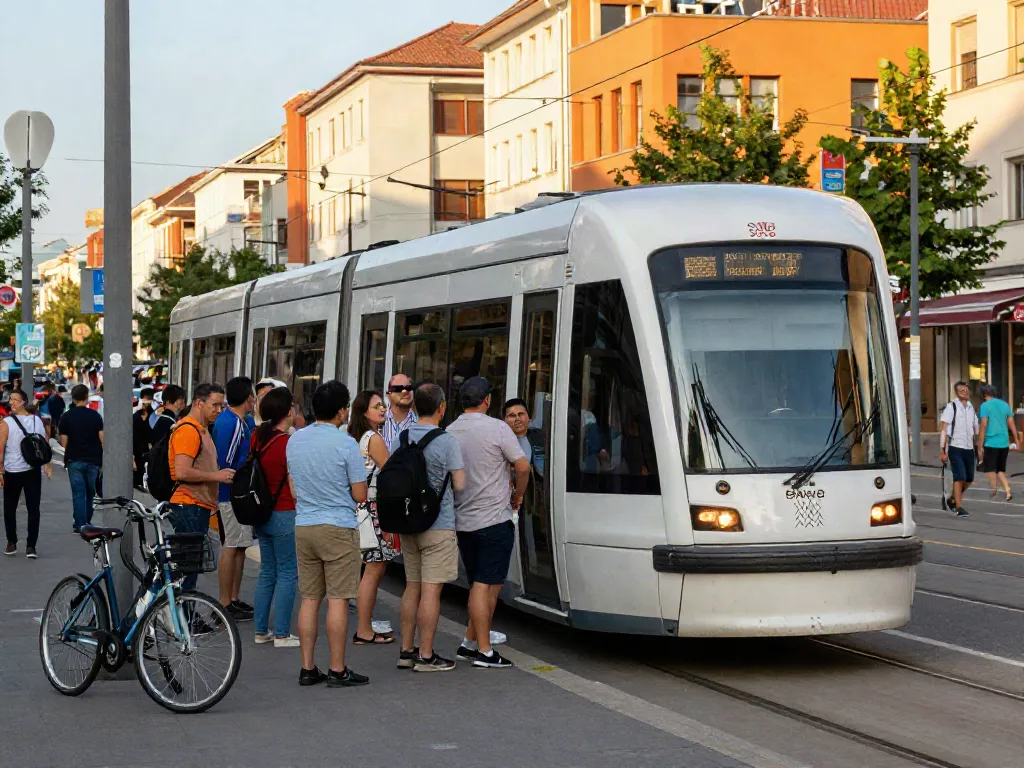
Understanding the Importance of Streetcars in Urban Transit
As cities expand and urban populations continue to grow, the need for efficient and sustainable forms of public transportation has never been more critical. Streetcars offer a unique solution to the challenges posed by road traffic, environmental concerns, and the push for community-oriented transit systems. With their rich historical context and proven efficiency, streetcars have become a focal point in discussions around urban transit development. When exploring options, streek.ca provides comprehensive insights into how these systems can effectively integrate into modern cities.
What Are Streetcars and How Do They Work?
Streetcars, also known as trams or trolleys, are rail vehicles that run on tracks, primarily designed for urban public transport. They differ from buses in that they are usually powered through overhead wires or tracks and can carry more passengers due to their larger size. Streetcars typically operate on fixed routes with set stops, which can reduce travel times and increase predictability for riders. The vehicles are designed for quick boarding and alighting, enhancing the overall efficiency of urban public transit systems.
Historical Context of Streetcars vs. Buses
The development of streetcar systems dates back to the 19th century when horse-drawn streetcars first appeared in urban settings. As cities grew, electric streetcars took center stage in the early 20th century, revolutionizing urban mobility. In contrast, buses became widespread post-World War II, providing a flexible alternative to fixed rail systems. However, the decline of streetcars in many cities during the mid-20th century was often driven by a focus on car-centric infrastructure. Today, there is a resurgence in interest and investment in streetcar systems as communities look for sustainable transportation solutions.
Benefits for Cities and Communities
Streetcars can significantly enhance urban areas by promoting greater accessibility and reducing congestion. Unlike buses, which can get stuck in traffic, streetcars operate on dedicated tracks, ensuring more reliable service. Moreover, streetcars can stimulate economic development by attracting businesses and revitalizing neighborhoods. Their presence often leads to increased property values and a more vibrant urban atmosphere, contributing to community identity and cohesion.
Key Advantages of Streetcar Systems
Capacity and Efficiency Compared to Buses
One of the primary advantages of streetcars is their capacity. They can transport more passengers per vehicle compared to standard buses, especially during peak hours. With the ability to couple multiple cars together, streetcars can handle higher volumes of riders efficiently. This capacity not only enhances commuter experience but also reduces the carbon footprint per passenger mile.
Environmental Impact and Sustainability
Streetcars are generally more eco-friendly than buses, particularly when powered by electricity from renewable sources. Their efficiency in energy consumption and lower greenhouse gas emissions contribute to improved urban air quality and align with sustainability goals. By integrating streetcars into public transport networks, cities can reduce reliance on fossil fuels and help combat climate change.
Economic Benefits for Local Businesses
The introduction of streetcar systems often has a catalytic effect on local economies. Studies have shown that businesses located near streetcar stops experience increased foot traffic, leading to higher sales and customer engagement. The improved accessibility provided by streetcars often results in the revitalization of urban areas, encouraging new investments and the growth of small businesses.
Challenges in Implementing Streetcar Projects
Funding and Budget Considerations
Implementing streetcar systems requires substantial upfront investment, which can be a significant hurdle for many cities. Funding often involves a combination of federal, state, and local sources, and competition for these funds can be intense. Furthermore, cities must also consider ongoing operational costs and maintenance, which are crucial for the sustainable success of the system.
Urban Space and Infrastructure Limitations
Streetcar systems necessitate dedicated tracks, which can pose challenges in densely built urban environments. The existing infrastructure may not easily accommodate new rail lines without substantial modifications or disruptions to current traffic patterns. Moreover, coordination with other forms of transport, such as buses and bicycles, is essential to create a well-functioning transit network.
Public Perception and Acceptance Issues
Public perception can significantly influence the success of streetcar initiatives. In some communities, there may be skepticism regarding the benefits of streetcars compared to buses. Engaging with the public through education and outreach is essential to address concerns and build support for new transit projects. Ensuring that the community feels heard and involved can foster acceptance and encourage ridership.
Best Practices for Successful Streetcar Implementation
Case Studies of Successful Streetcar Systems
Several cities around the world have effectively implemented streetcar systems and serve as models for successful projects. For instance, the Portland Streetcar in Oregon has become a cherished part of the city's transit fabric, introducing a reliable mode of transport that connects neighborhoods. By studying these successful systems, other cities can learn valuable lessons about planning, funding, and community engagement.
Stakeholder Engagement and Community Involvement
Successful streetcar projects require the cooperation of various stakeholders, including local governments, transit authorities, and community members. Early engagement with residents can help identify specific needs and preferences, leading to a design that reflects the community's vision. Holding public meetings and workshops allows stakeholders to voice their opinions and contribute to the planning process.
Integration with Existing Transit Systems
To maximize the benefits of streetcars, they must be integrated seamlessly with existing public transit networks. This includes establishing connections with buses, light rail, and even bike-share programs, allowing for a cohesive transportation experience. Effective scheduling and fare policies can further encourage riders to transition between different modes of transport smoothly.
The Future of Streetcars: Innovations and Trends
Technological Advancements in Streetcar Design
The future of streetcars is bright, with innovations in design and technology paving the way for enhanced transit solutions. Modern streetcars now employ advanced materials, energy-efficient systems, and smart technology to improve performance and passenger experience. Features such as real-time tracking apps and on-board Wi-Fi are becoming increasingly popular, catering to the needs of today’s tech-savvy riders.
Predicted Urban Transit Changes by 2026
Looking toward 2026, there is a growing trend for cities to prioritize public transit over personal vehicles. This shift is likely to be driven by congestion, environmental concerns, and the need for efficient urban mobility. As cities reassess their transport strategies, streetcars will certainly play a significant role in shaping sustainable urban futures.
Global Trends in Public Transportation Solutions
Globally, cities are exploring diverse public transportation solutions to meet growing urban demands. From electric buses to autonomous vehicles, the transit landscape is evolving rapidly. Streetcars, particularly those that utilize renewable energy sources, will be central to this movement, providing an appealing option for environmentally and socially conscious urban planners.
What are the main benefits of streetcars over buses?
Streetcars provide higher capacity, greater reliability, and reduced environmental impact compared to traditional buses. Their dedicated tracks allow for faster travel times and fewer delays, while their presence in neighborhoods can stimulate local economies.
How do streetcars impact local economies?
The introduction of streetcars often leads to increased property values and higher foot traffic for businesses near stops, creating a more vibrant commercial environment and encouraging investment in urban areas.
What are the challenges in funding streetcar projects?
Funding streetcar initiatives can be challenging due to high initial costs and competition for financial resources. Ongoing operational and maintenance costs also need to be factored into the overall budget.
How do I advocate for a streetcar system in my city?
Advocacy for streetcar systems involves engaging with community members, local government officials, and transit agencies to raise awareness about the benefits and potential impacts of such projects. Organizing informational sessions and gathering support can help bring the initiative into the planning stages.
What roles do streetcars play in sustainable urban design?
Streetcars promote sustainable urban design by reducing reliance on personal vehicles and encouraging the development of walkable communities. They can also lead to decreased greenhouse gas emissions and improved urban air quality, helping cities meet sustainability goals.