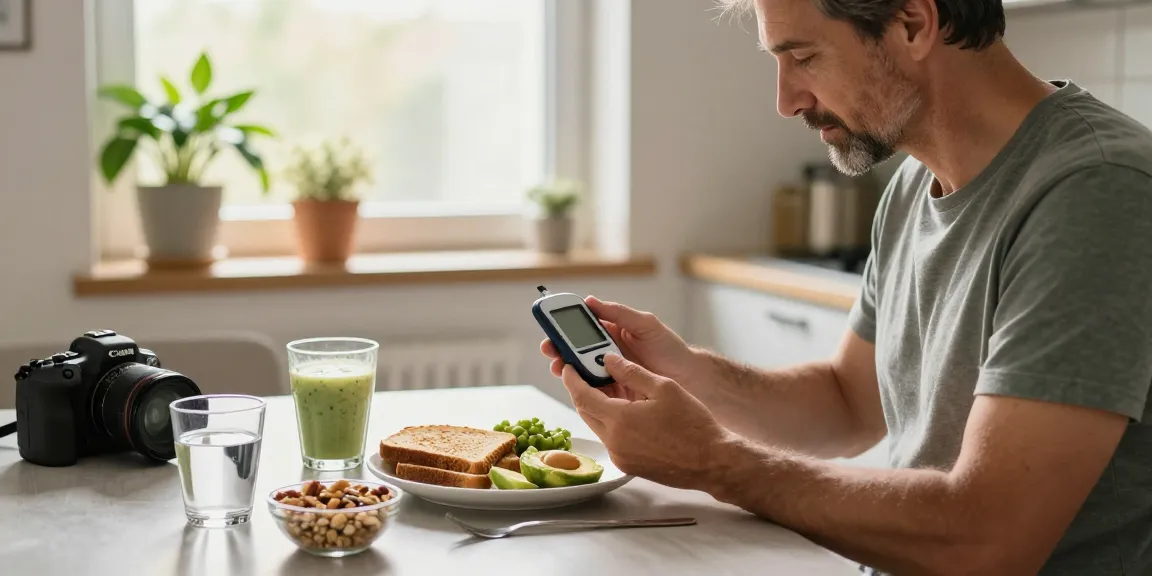
Understanding Diabetes and the Role of Glucometers
Diabetes is a chronic condition that affects millions of people worldwide. It occurs when the body is unable to properly regulate blood sugar levels, leading to a range of health complications. Central to managing this condition is the use of a diabetes glucometer, a device that allows individuals to monitor their blood glucose levels effectively. This monitoring is crucial for making informed decisions about diet, exercise, and medication.
What is Diabetes and Its Types?
Diabetes is primarily classified into two main types: Type 1 and Type 2. Type 1 diabetes is an autoimmune condition where the body’s immune system attacks insulin-producing cells in the pancreas, leading to little or no insulin production. This type is usually diagnosed in children and young adults but can develop at any age.
Type 2 diabetes, on the other hand, is characterized by insulin resistance, where the body does not use insulin effectively. This form is more common and is often associated with obesity and a sedentary lifestyle. There is also a third category known as gestational diabetes, which occurs during pregnancy and typically resolves after childbirth.
How Do Glucometers Function?
A glucometer functions by measuring the concentration of glucose in a blood sample. Users typically prick their finger to obtain a small drop of blood, which is then placed on a test strip inserted into the device. The glucometer uses various technologies, such as electrochemical sensors, to analyze the blood and provide a quick reading of blood sugar levels. Most devices offer results in seconds, making it easy for users to monitor their glucose levels throughout the day.
The Importance of Monitoring Blood Sugar Levels
Regular monitoring of blood sugar levels is essential for all individuals with diabetes. It helps in understanding how different foods, activities, and medications affect glucose levels. By keeping track of these variations, individuals with diabetes can make necessary adjustments to their diet or insulin dosage to maintain their blood sugar within the target range, thereby reducing the risk of complications such as neuropathy, kidney disease, and cardiovascular issues.
Key Features to Look for in a Diabetes Glucometer
Accuracy and Reliability Metrics
When selecting a glucometer, accuracy is paramount. The device should be clinically validated, meaning its readings should be consistent with laboratory tests. Look for glucometers that comply with the latest standards set by health authorities, as inaccuracies can lead to inappropriate management of diabetes.
User-Friendly Design and Portability
A user-friendly design is crucial for effective diabetes management. Choose a glucometer with a clear display, large buttons, and a straightforward interface. Portability is also important; many glucometers are compact and lightweight, allowing users to carry them easily, which is a significant advantage for those with an active lifestyle.
Advanced Technology in Glucometers for 2026
The technology behind glucometers is evolving rapidly. In 2026, we expect to see features such as Bluetooth connectivity, allowing for easy data transfer to smartphones and apps. Continuous glucose monitoring (CGM) systems are also gaining popularity, providing real-time data without the need for frequent finger pricks. These advancements can significantly enhance diabetes management.
Best Practices for Using a Diabetes Glucometer
Step-by-Step Guide for Accurate Readings
- Wash your hands to prevent contamination.
- Prepare the glucometer and insert a test strip.
- Prick the side of your fingertip with a lancing device.
- Place a drop of blood on the test strip.
- Read the result displayed on the glucometer.
Common Mistakes to Avoid
One of the most common mistakes is not using the device as per the manufacturer’s instructions. Ensure that the test strips are not expired and are stored correctly. Additionally, avoid using blood from your palm or forearm, as this can lead to less accurate readings.
Maintaining Your Glucometer for Longevity
To ensure the longevity of your glucometer, keep it clean and stored in a protective case. Regularly replace the batteries and ensure that you use compatible test strips. It’s also advisable to check the device’s calibration periodically, as inaccuracies can develop over time.
Comparing Top Diabetes Glucometer Brands in 2026
Market Leaders and Their Offerings
As of 2026, several brands dominate the diabetes glucometer market. Companies like Accu-Chek, Contour, and OneTouch have established themselves with reliable products. Each brand offers various models that cater to different needs, from basic models to advanced ones with smart technology features.
Feature Comparisons: Price vs. Performance
When comparing glucometers, consider what features justify the price. Basic models may be more affordable but could lack certain functionalities like Bluetooth connectivity or advanced analytics. Higher-end models may cost more but provide additional benefits that could enhance diabetes management.
Consumer Reviews and Recommendations
Reviews play a crucial role in selecting a glucometer. Look for feedback on accuracy, ease of use, and customer service experiences. Many consumers emphasize the importance of choosing a device that integrates well with smartphone apps for comprehensive tracking and reporting.
Future Trends in Diabetes Management Technology
Emerging Innovations in Glucometer Design
Innovations in glucometer design are focusing on ease of use and comfort. Expect to see pain-free blood sampling methods, such as devices that use microneedles or non-invasive technology. These advancements can make blood glucose monitoring less daunting for users.
The Role of AI and Data Analytics
Artificial intelligence is beginning to play a crucial role in diabetes management. AI algorithms can analyze historical blood sugar readings and predict future trends, helping users make proactive adjustments to their diets or medication. This data-driven approach can lead to more personalized diabetes care.
Predictions for Diabetes Care and Technology in 2026
The diabetes care landscape is set to change significantly by 2026, with more integrated solutions that combine glucometers with health monitoring apps and telemedicine services. Such solutions will empower users to manage their condition with greater efficiency, providing real-time feedback and support.
What Are the Benefits of Regular Monitoring?
Regular monitoring of blood glucose levels can significantly improve diabetes management. It allows individuals to identify patterns and associated factors in their blood sugar levels, leading to more effective lifestyle and dietary decisions. Additionally, it can help in preventing serious health complications by ensuring immediate action is taken when levels are too high or too low.
How Can Family Support Impact Diabetes Management?
Family involvement is crucial for someone managing diabetes. Emotional support and assistance in meal planning and lifestyle changes can enhance adherence to treatment plans. Family members can help track blood sugar levels and encourage regular monitoring, creating a supportive environment conducive to better health.
What Are the New Regulatory Standards for Glucometers?
As technological advancements in glucometers continue, new regulatory standards are being developed to ensure their safety and efficacy. Regulatory bodies now require more rigorous testing for accuracy and reliability, particularly for devices that utilize advanced features like AI and connectivity with mobile applications.
How Can Telemedicine Assist in Managing Blood Sugar Levels?
Telemedicine has revolutionized diabetes management by providing patients with access to healthcare professionals without the need for in-person visits. This convenience allows for real-time consultation and advice based on blood glucose readings, medication adjustments, and diet plans, enhancing overall care.
What Are the Best Apps to Pair With Your Glucometer?
In 2026, various apps are available to complement diabetes management. Popular options include MySugr, Glucose Buddy, and Diabetes:M. These apps help track glucose levels, food intake, exercise, and medication schedules, providing users with a comprehensive view of their health data.
How Do Lifestyle Changes Affect Glucometer Readings?
Lifestyle changes such as diet, exercise, and stress management can profoundly impact blood glucose levels. Regular physical activity can enhance insulin sensitivity, while a balanced diet rich in whole foods can help stabilize blood sugar. Recognizing these factors can help users make informed choices that positively affect their glucometer readings.
What Role Do Nutritionists Play in Diabetes Care?
Nutritionists play an instrumental role in diabetes care by providing personalized dietary advice. They can help individuals understand how different foods impact blood sugar levels and create meal plans that accommodate their lifestyle and preferences. Their expertise ensures that dietary habits support overall health and effective diabetes management.